Moving Out of a London Flat With No Lift: Step-by-Step Guide
Moving out of a London flat with no lift sounds manageable—until you’re balancing stock on a stairwell and every minute counts. This guide shows how to plan a stair-only move without losing time or damaging products. In London, many business owners work from flats with tight turns, no lift access, and strict building rules; therefore, one careless carry can stop work, cause injury, or frustrate neighbours.

Moreover, these moves matter because missed deadlines cost money and weaken client trust. Meanwhile, stairs slow each trip, parking restrictions add pressure, and heavy items raise safety risks for staff. As a result, small teams feel it most, especially during lease changes or quick relocations.
I lead SleekAssuredRemovals and oversee stair-only moves every week. In this post, you’ll get clear steps to schedule the move, pack for stairs, protect people and stock, and choose DIY or a hired crew that fits your workload. Finally, you’ll leave with calm actions you can use right away.
Key Takeaways
- No-lift moves need planning first
Stair-only flats in London often mean tight turns, longer carries, and higher safety risks. So, if you plan before moving day, you’ll avoid last-minute chaos and keep things running smoothly. - Stairs change how you pack
Instead of big storage-style boxes, go for smaller boxes, lighter loads, and clear labels. That way, carrying stays safer, and unloading becomes quicker. - Heavy items raise real risks
Sofas, fridges, and wardrobes can easily cause damage or injuries on stairs. Because of that, you’ll want the right method, enough hands, and proper protection before you start. - Decluttering cuts time and cost
Put simply, fewer items mean fewer stair trips, less strain, and often lower moving fees. Plus, it makes packing and organising far easier. - Not all movers suit walk-up flats
Some teams don’t bring the right tools or lack stair-move experience. For that reason, checking this early can save you delays, stress, and surprise charges.
What Is Moving Out of a London Flat With No Lift Like?
Moving out of a London flat with no lift means every item has to go down the stairs by hand. So the move usually takes longer, feels tougher, and needs smarter planning than a standard move. In London, walk-up flats often have narrow steps, sharp turns, and tight landings, which can slow you down fast. On top of that, limited parking outside adds extra pressure on moving day. Meanwhile, heavy items can easily scrape walls or cause injuries if you rush. That’s why understanding the layout and packing for stairs makes the whole move safer and smoother.
Facts & Original Research
- First, the risk is real: UK workers reported 543,000 work-related MSDs in 2023/24, with 7.8 million working days lost. So stair carries fall right into the same danger zone—lifting, lowering, and carrying.
- Next, there’s a proper way to explain the risk: the HSE MAC tool helps rate manual-handling risk. In other words, it supports why stairs make moves more hazardous.
- Also, stair fees can change the quote fast: one London removals firm lists £10 per CBM, per flight of stairs (with a minimum charge). That’s why asking about stair charges early matters.
- Meanwhile, pricing datasets help set expectations: UK removals data shows average costs and ranges, so readers can compare DIY vs pros with fewer surprises.
- Finally, London flat living has evidence behind it: the yearly Housing in London reports help explain why access limits and walk-ups are so common.
Understanding Moving Out of a Flat Without Lift in London
A no-lift move means everything leaves the flat by stairs—boxes, furniture, and appliances—one careful trip at a time. In London, that usually includes tight corners, shared stairwells, and very little space to pause. So you’ll naturally need smaller loads, more breaks, and steady teamwork. Otherwise, even a short stair run can lead to delays, scuffed walls, or damaged stock.
On top of that, London has plenty of walk-up flats in Victorian buildings and converted houses, where stairs can be narrow, steep, and uneven. Meanwhile, parking is often farther than you’d like, which makes every carry longer and more tiring. Because neighbours share the same stair-only access, timing and noise matter too. As a result, the local layout—especially in areas like Camden or Hackney—often decides how you pack, what you move first, and how smoothly the day goes.
Why Stair-Only Moves in London Are So Challenging
Reason 1 – London Staircases Can Be Awkward
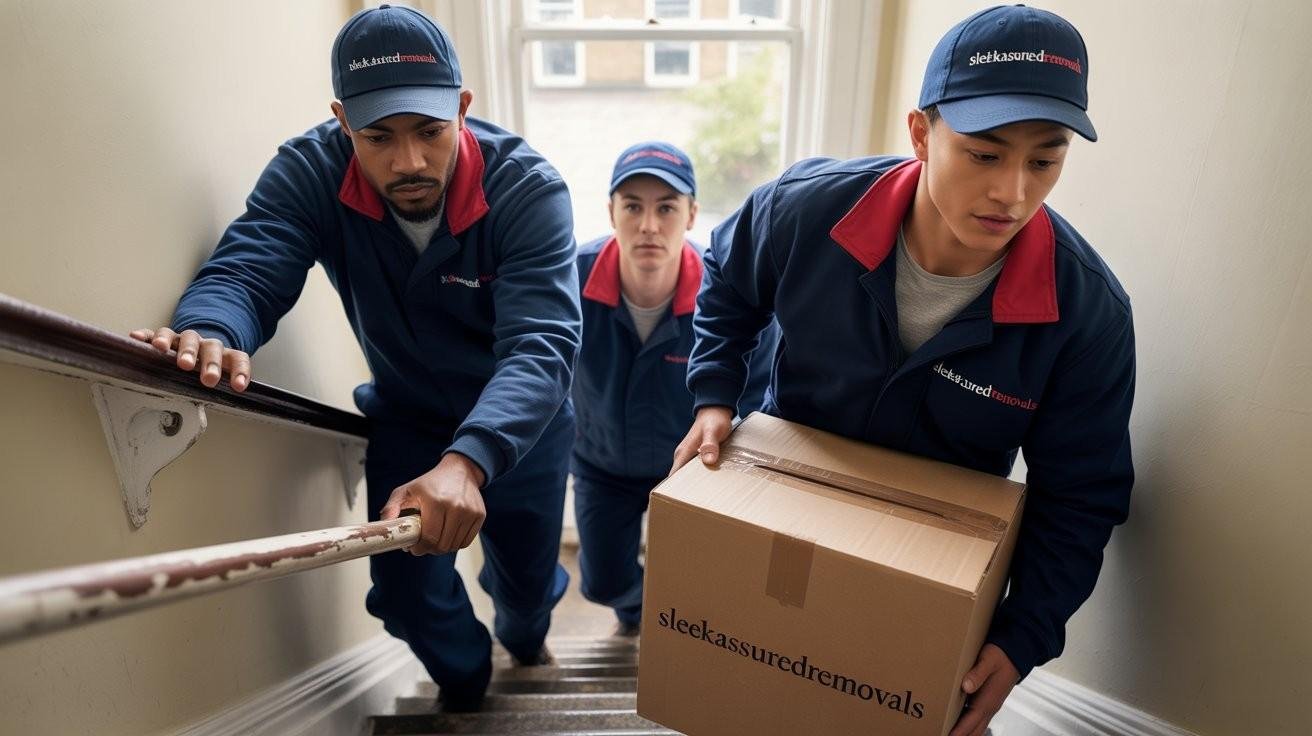
Many London flats are in Victorian buildings or converted houses, so the stairs are often narrow, steep, and tricky to turn on. Landings can be tight and ceilings low, which means one bad angle can easily scuff walls or damage furniture.
Reason 2 – Heavy Items Turn Risky Fast
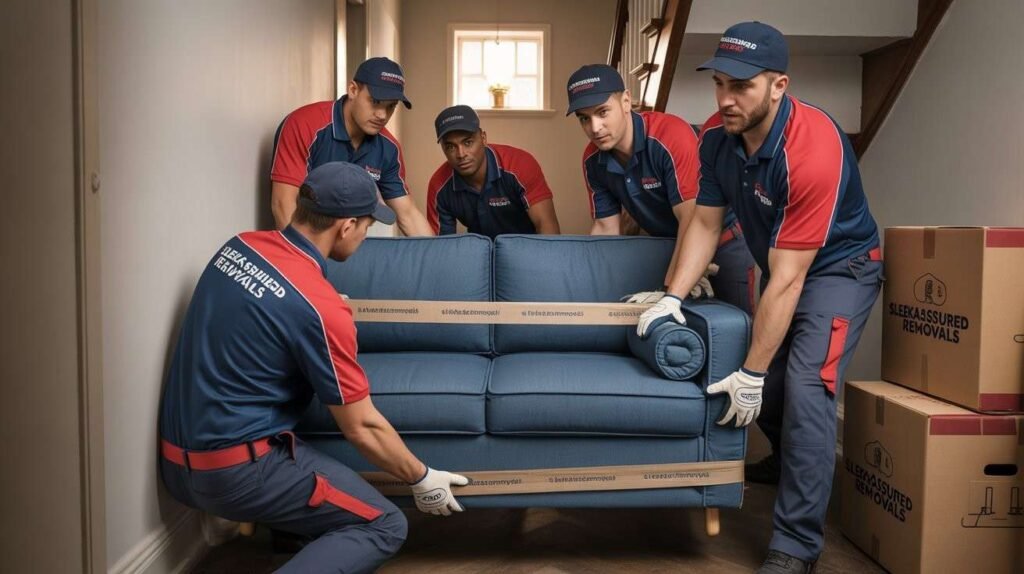
Stairs make heavy items feel heavier, and the risk increases with every flight. After a few trips, sofas and fridges can strain backs and shoulders, while one slip can cause damage or injury. Even with tools, tight stairwells don’t leave much room to manoeuvre.
Benefit – A Good Plan Makes It Easier
Thankfully, a clear plan helps a lot. Smaller loads move faster, dismantled furniture fits better, and a set carry order cuts repeat trips. As a result, you save time, reduce strain, and often lower costs.
Step-by-Step No-Lift Apartment Moving Guide
Step 1 – Declutter Before You Pack
Start by cutting down what you need to carry. Because fewer items mean fewer stair trips, you’ll save time and reduce strain. Sell, donate, or bin anything you don’t use. In fact, moving out of a London flat with no lift feels much easier when you only move what matters.
Step 2 – Get Bulky Items Ready
Big furniture slows everything down on tight stairs. So dismantle beds, wardrobes, or desks if you can, and keep screws in labelled bags taped to the item. That way, pieces stay together, and stair turns feel safer.
Step 3 – Decide DIY or Hire Pros
DIY works for light loads and shorter stair runs. However, heavy items, narrow stairwells, or higher floors usually suit trained crews. Before booking, confirm team size, tools, and any stair-carry fees—so you avoid delays and surprise charges.
Common Mistakes and Myths to Avoid
Mistake 1 – Ignoring Stair Carry Charges
A lot of people forget to ask about stair-carry fees until moving day. However, these charges often depend on the floor level, item size, or how long the crew spends on the stairs. So when you move out of a London flat with no lift, the total can climb quickly. To avoid surprises, ask for the pricing in writing before you book.
Mistake 2 – Hiring Cheap Movers Not Equipped for Walk-Ups
A low quote can look tempting, but it often means a smaller team or no proper stair equipment. Walk-up moves usually need straps, gloves, and a clear carry plan. Without that, movers may work more slowly, and the chance of damage goes up. For that reason, check reviews that specifically mention stair-only buildings before you agree.
Mistake 3 – Overpacking Big Boxes
Big boxes feel efficient at first, yet stairs change the game. After a few flights, heavy boxes strain your arms, slow every trip, and become harder to control on narrow steps. Instead, pack smaller, balanced boxes—because they’re easier to carry, quicker to stack, and safer all round.
Real Examples From London Stair-Only Moves
Case Study – Top-Floor Flat Move
A fourth-floor walk-up flat in Camden had no lift, and parking was half a street away—so every carry took longer. To stay on track, the team used smaller boxes and dismantled the bed and wardrobes early. Once the carry order was set, the move stayed smooth and finished in a day with no wall damage or surprise fees.
Case Study – Narrow Staircase Move
A Hackney flat in a converted house had tight stairs and sharp turns. At first, the sofa was stuck on the landing. Instead of forcing it, the team removed the legs, wrapped the corners, and moved one item at a time, resetting on landings. As a result, they avoided scuffs and kept the move safe.
Tools, Resources, and a Quick Checklist
Handy Tools That Make Stair Moves Easier
The right tools cut strain and protect items on stairs. Moving out of a London flat with no lift works better when each carry stays controlled and light.
- Lifting straps for steady grips on bulky items
- Furniture dollies for flat landings and hallways
- Small, strong boxes to keep loads balanced
- Mattress covers to stop scuffs on tight turns
- Gloves with grip to protect hands on long carries
- Basic tool kits for fast furniture dismantling
Conclusion
Moving out of a London flat with no lift takes more planning than a typical move. Because stairs slow everything down and add strain, it helps to keep boxes small, loads light, and dismantle bulky furniture early. On top of that, asking about stair-carry charges and choosing movers with walk-up experience can save you stress and surprise costs.
The good news is that this move is totally manageable with a calm plan. Take it one carry at a time, keep loads steady, and protect both people and property. If you want extra help, you can request a quote, get advice, or download a stair-move checklist to stay organised.
Frequently Asked Questions
Most stair-only moves take 30–50% longer than lift-access moves. Time depends on floor level, stair width, item weight, and parking distance. A second-floor walk-up may finish in a few hours. A top-floor flat with tight turns often needs most of the day.
Yes, safety depends on planning, tools, and team size. Items like sofas and fridges need straps, gloves, and clear roles. Sharp turns and landings raise risk, so slow carries and breaks help reduce strain and damage.
Many London movers add stair carry charges based on flights, time, or item size. Ask for this cost in writing before booking. This avoids surprise fees on moving day.
Yes. Furniture dismantling shortens carry time and lowers damage risk. Beds, wardrobes, and desks move better in parts, mainly in narrow staircases found in converted houses.
Yes. Search for local removal companies with walk-up experience in areas like Camden or Hackney. Check reviews that mention stair-only buildings and manual handling tools.