High-Rise Building Safety in London: Rules, Risks & Practical Tips
How to keep people safe in a high-rise building in London can feel unclear for residents, managers, and owners. High-rise building safety in London often gets complicated because rules evolve, responsibilities overlap, and people aren’t always sure what they should check, fix, or report. As a result, that confusion can lead to delays, added stress, and missed safety steps.
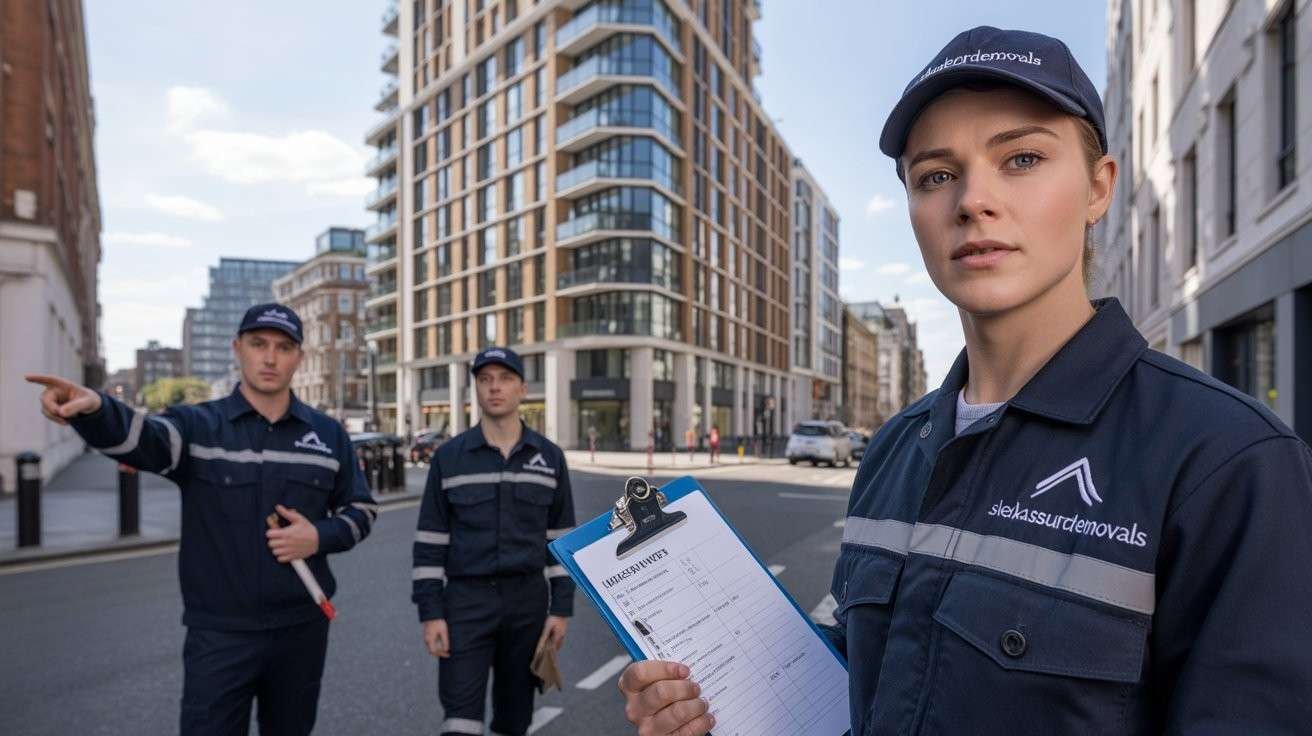
I’m the founder of sleekassuredremovals, and over the years, I’ve worked around London buildings where safety questions come up often. For example, fire doors that don’t close properly, blocked escape routes, and confusing responsibility chains can frustrate owners while worrying residents. However, these problems are often fixable once someone knows what to look for and who should act.
So this guide highlights what matters most. First, you’ll understand the key regulations and roles. Next, you’ll learn the common risks in London high-rises and how they appear in everyday life. Then, you’ll get simple, practical actions to check, fix, and report issues. Finally, you’ll leave with a clear checklist and the confidence to act quickly and calmly.
Key Takeaways
- High-rise safety in London follows strict rules
Buildings above certain heights have clear legal duties under London high-rise safety regulations and the Building Safety Act UK. - Fire risk is higher in tall buildings
Longer escape routes and shared areas mean small issues can escalate fast if ignored. - Evacuation planning saves lives
Clear routes, working fire doors, and safe stair use matter most—not lifts—during emergencies. - Regular checks prevent bigger problems
A high-rise building risk assessment in the UK helps catch hazards early, like blocked corridors or faulty alarms. - Residents also help keep buildings safe
Reporting issues and joining updates helps managers respond sooner and keeps everyone informed.
London High-Rise Safety: Why It Matters & What to Know
High-Rise Building Safety in London means the rules and daily checks that keep people safe in tall buildings across the city. It includes London high-rise safety regulations, fire safety steps, clear escape routes, and shared duties between owners, managers, and residents. Because exits are farther and shared spaces are busier, small issues can become serious fast. That’s why fire doors, alarms, and clear corridors matter every day. This guide explains what to know, what to watch for, and how to act with confidence.
Facts & Original Research
- High-rise fires remain a real risk
Even today, fire incidents in tall homes are not rare. For instance, UK fire records show 670 fires in purpose-built high-rise flats and maisonettes in the year ending March 2025. That’s why working alarms, self-closing fire doors, and clear exits matter every single day. - Higher-risk buildings have a legal definition
Importantly, the law is specific. A building is classed as higher risk at 18 metres or seven storeys, with two or more homes. As a result, owners and managers have clearer safety duties—and less room for confusion. - Unsafe cladding is still under review
Meanwhile, cladding checks and repairs are still ongoing. As of June 2025, 5,190 residential buildings over 11 metres were still being tracked by the government for unsafe cladding assessment or remediation work. - Local councils are enforcing safety rules
On top of that, enforcement is increasing. Government data confirms 566 buildings faced formal council action for suspected unsafe cladding. In other words, there’s growing pressure to fix known risks quickly, not later.
Understanding High-Rise Building Safety london
In the UK, a building is classed as a high-rise if it is 18 metres or higher or has seven or more floors. In London, many homes meet this limit without looking very tall, yet once that height is reached, stricter safety rules apply.
Height matters because fire, smoke, and people move differently in tall buildings. As exits are farther away, emergency planning needs more care.
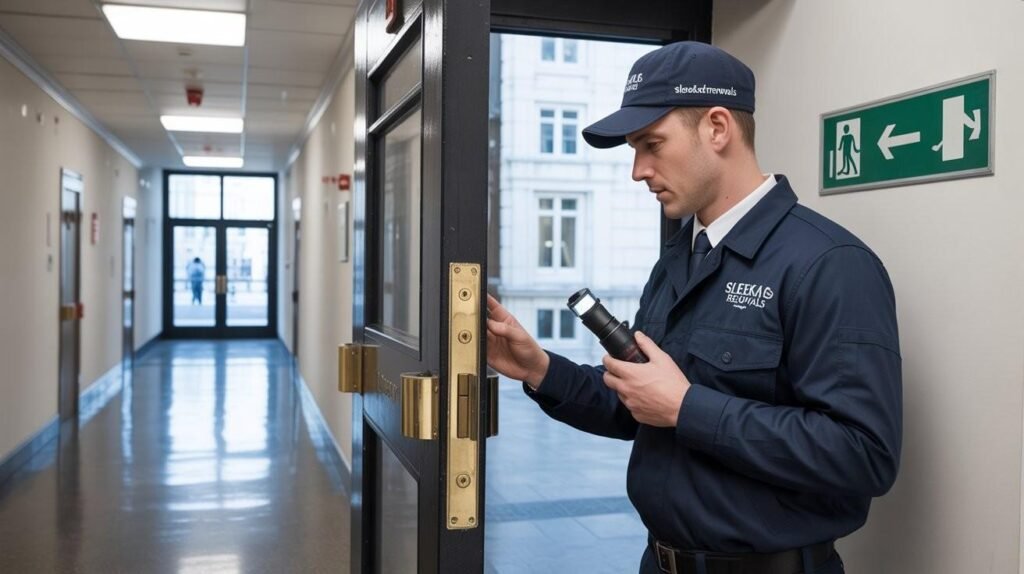
Why safety feels different in a tall building
In a high-rise, escape often takes longer, so residents depend on shared stairs, working fire doors, and reliable alarms. Meanwhile, smoke can travel through corridors, and lifts may stop during fires. That’s why clear routes and quick reporting matter more every day.
The Current State of London High-Rise Safety
High-rise estates across London are being checked more closely than before. Many older blocks were built with designs that don’t fully meet today’s standards, so inspections now focus on everyday essentials—fire doors, alarms, signage, and shared corridors. As a result, issues are being spotted and fixed sooner.
Cladding safety in London today
Cladding is still under review in many buildings. While some blocks have finished surveys or repairs, others are waiting for funding or schedules. Even so, updates are shared more often now, helping residents stay informed. Ultimately, the aim is clear: reduce fire risk and keep communication open.
London High-Rise Safety Regulations and Legal Duties
London high-rise buildings must follow clear rules under the Building Safety Act (UK). In most cases, buildings 18 metres or higher fall under these duties, covering fire safety, structure, and shared areas.
Owners and managers need to appoint a safety contact, keep records, and review risks regularly. At the same time, residents should know who to report issues to when something feels unsafe.
Because of this, London high-rise safety regulations focus on essentials like working fire doors, clear escape routes, reliable alarms, and uncluttered shared spaces. Clear updates and simple safety plans also help everyone stay informed and act faster.
Fire Safety in High-Rise Buildings, London
Fire safety in tall buildings starts with simple daily care. Keep exits clear, close fire doors fully, and avoid storing items in corridors. Faulty appliances, overloaded sockets, and unattended cooking remain common causes of flat fires in London.
Test smoke alarms often and report faults without delay. Fire doors slow smoke and flames, so never wedge them open.
The London Fire Brigade often advises residents to stay put unless fire or smoke affects their home. Follow your building’s plan, use stairs if needed, avoid lifts, and call 999 if smoke enters your flat.
Emergency Evacuation in High-Rise Buildings
Emergency evacuation high-rise London plans guide residents during fires or serious incidents. Each building should share a clear plan that explains when to stay inside and when to leave. Knowing this early helps people act calmly and avoid delays.

Safe evacuation routes in high-rise apartments
Safe evacuation routes in high-rise apartments rely on clear stairs, working fire doors, and visible signs. Keep corridors free from storage and always use stairs during emergencies. Knowing your nearest exit helps protect you and others.
High-Rise Apartment Safety Tips for Everyday Living
Small daily habits help reduce fire risk in tall buildings. Unplug unused items, avoid socket overload, and replace damaged cables. Keep vents clear on appliances and never leave cooking unattended. These steps support high-rise apartment safety tips and residential high-rise fire prevention.
Balconies and windows need care at height. Do not store furniture, gas bottles, or rubbish outside. Secure windows, especially where children live, and avoid hanging items over edges. Clear spaces and simple checks help keep London high-rise homes safer for everyone.
High-Rise Building Risk Assessment UK
A high-rise building risk assessment in the UK checks how safe a tall building is for daily life and emergency situations. It reviews fire doors, alarms, escape routes, lighting, and shared areas used by residents. The check also looks at wall systems, cladding records, and how smoke may move through the building.
These checks help spot issues early, before they place people at risk.
When reviews should take place
In most cases, a review should happen once every year. An earlier review may be needed after building work, layout changes, or a fire-related incident. Repeated reports from residents can also signal the need for a fresh check.
Regular reviews keep safety actions clear, up to date, and easier for everyone to follow.
Reporting Safety Issues and Making Complaints

Report safety problems as soon as you spot them. Contact your building manager or safety lead and share clear details, the exact location, and photos if safe. Common issues include a broken door closer, a blocked corridor, or a faulty alarm panel. Clear reports help speed up action.
When to take the issue further
If nothing changes after a fair time, follow up in writing and ask for a clear timeline. For urgent risks, contact your local council or seek advice from the London Fire Brigade. Acting early helps protect everyone in the building.
Building Safety Resident Engagement Strategy
Good resident engagement starts with clear and regular contact. Building managers should share safety updates in plain language, explain what has changed, what still needs attention, and who to contact. Short updates with written notes help everyone stay informed without wasting time. As a result, residents feel confident speaking up, and managers spot risks early.
Residents can join in without pressure. Read safety notices, save key contact details, and report issues when you see them. Short surveys or noticeboards allow quick feedback. You do not need expert knowledge. Share what you notice and ask simple questions. This keeps safety visible, shared, and practical across the building.
High-Rise Living Safety Checklist
Use this high-rise living safety checklist as a short, clear reminder for daily safety:
- Keep corridors and stairwells clear at all times
- Close fire doors fully and never wedge them open
- Test smoke alarms often and report faults quickly
- Know your main stair exit and one backup route
- Avoid using lifts during fire alarms
These five checks cover the biggest daily risks in high-rise living. When you follow them, shared spaces stay safer, and emergency response becomes faster for everyone in the building.
Conclusion
High-rise safety in London depends on clear rules, regular checks, and everyday care. When you know your building height, fire plan, escape routes, and reporting steps, risks drop for everyone.
Just as importantly, safety is shared—residents, managers, and owners all play a part in keeping tall buildings calm and secure.
If you manage or own a high-rise and want clear support, book a safety assessment, request a building review, or speak to a specialist at sleekassuredremovals. That way, your building stays safer and better prepared.
Frequently Asked Questions
The biggest risks include fire spread, blocked escape routes, and poorly maintained fire doors or alarms. Height makes escape slower, so small faults matter more. Regular checks and quick reporting reduce these risks.
The Act sets clear duties for owners and managers of tall buildings. Residents should receive safety updates, know who to contact, and see risk checks reviewed on time.
Report it at once to the building manager or safety contact. If the risk feels urgent, contact the local council or the London Fire Brigade for advice. Keep exits clear at all times.
Most experts advise a review every year or after major building changes. Fires, near misses, or layout changes should trigger an early review.
The London Fire Brigade website offers local guidance, home safety tips, and contact details. Many borough councils also share area-based safety advice online.