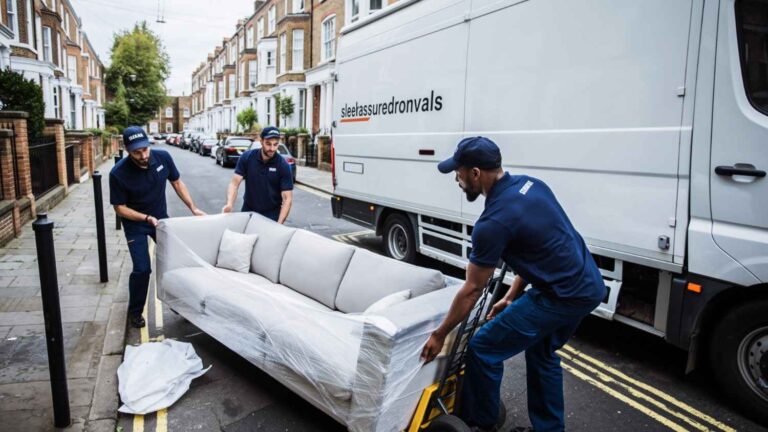
Why Appliance Moves Cause Floor and Wall Damage
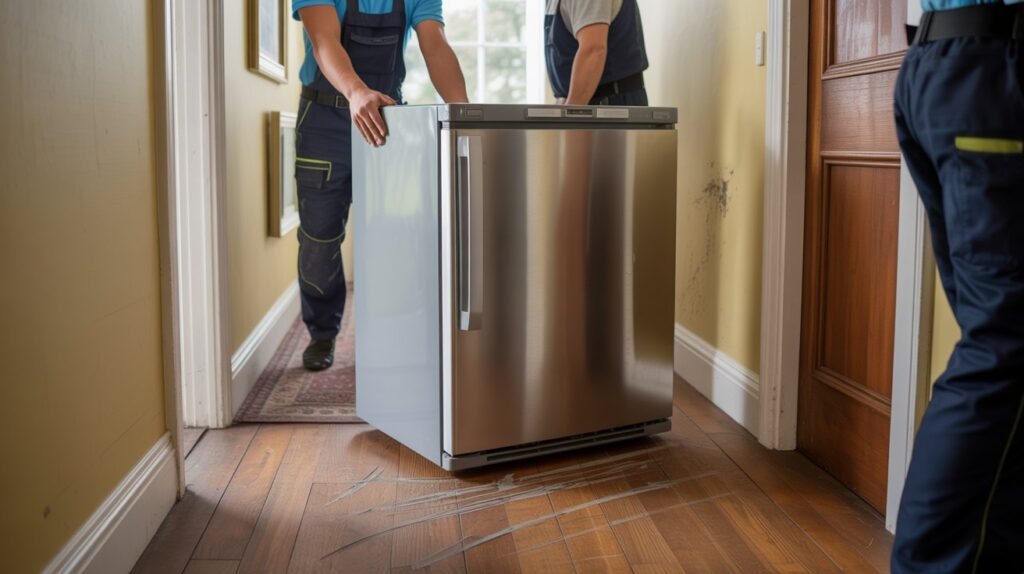
Moving heavy appliances is one of the most common causes of appliance-moving floor and wall damage in homes. Appliances such as refrigerators, washing machines, and ovens carry significant weight and are difficult to control once they start moving.
When dragged or turned in tight spaces, their weight presses into floors and swings into walls, leading to scratches, cracks, dents, or chipped paint, especially on tile, hardwood, and laminate surfaces. This type of appliance, moving floor and wall damage, is often costly to repair.
The risk is even higher in UK homes, where narrow hallways, slim doorways, and steep staircases leave little room for error. That’s why professional movers like Sleek Assured Removals use the right equipment and proven techniques to prevent appliance moving, floor and wall damage. With proper protection and expert handling, costly damage can be avoided.
Key Takeaways
- Preparation prevents most appliance-moving floor and wall damage
- Floor protection must match the surface type
- Wall and doorway padding stops visible marks
- Correct tools improve safety and control
- Stairs increase risk without help
- Professional movers reduce damage and injury
What to Do Before Moving Any Appliance
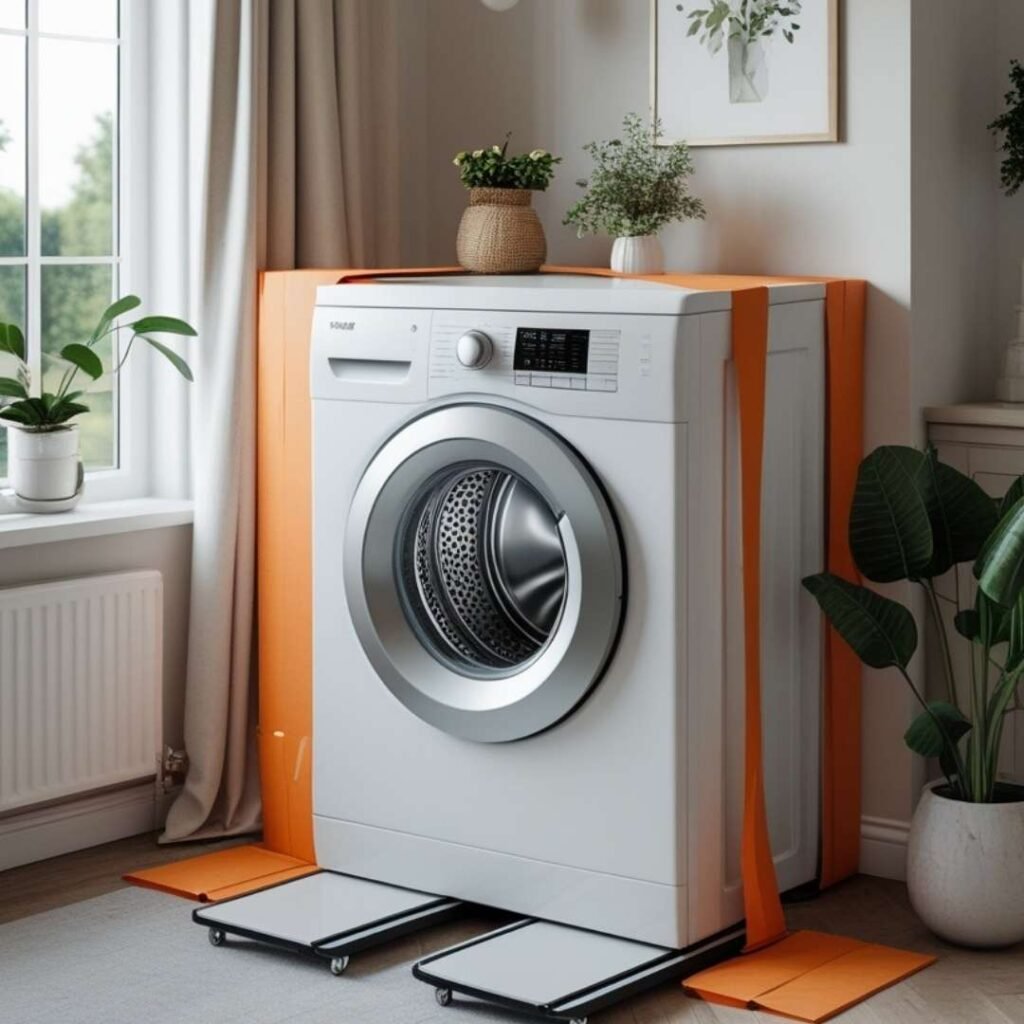
Preparation sets the direction for the whole move and helps reduce appliance moving, floor and wall damage. Start by switching off and unplugging the appliance. Disconnect water or gas connections safely.
Next, empty the appliance fully. Loose shelves, trays, or drums shift during movement and cause imbalance. Securing them keeps the appliance steady and prevents sudden contact with floors and walls.
Preparation Tips That Prevent Costly Damage
Measuring doorways and clearing pathways
Measure doorways, hallways, and stair widths first. If space feels tight, plan a safer route early to minimise appliance moving, floor and wall damage.
Clear rugs, furniture, and clutter from the path. A clean route keeps movement controlled.
Disconnecting, draining, and securing appliances
Drain washing machines and dishwashers fully. Tape doors, shelves, and cables in place.
This step reduces tipping risk and protects nearby walls.
Planning the move before lifting
Decide roles before lifting. One person lifts while another guides. Clear signals prevent sudden shifts that cause appliance moving, floor, and wall damage.
Key Strategies for Damage-Free Appliance Moving
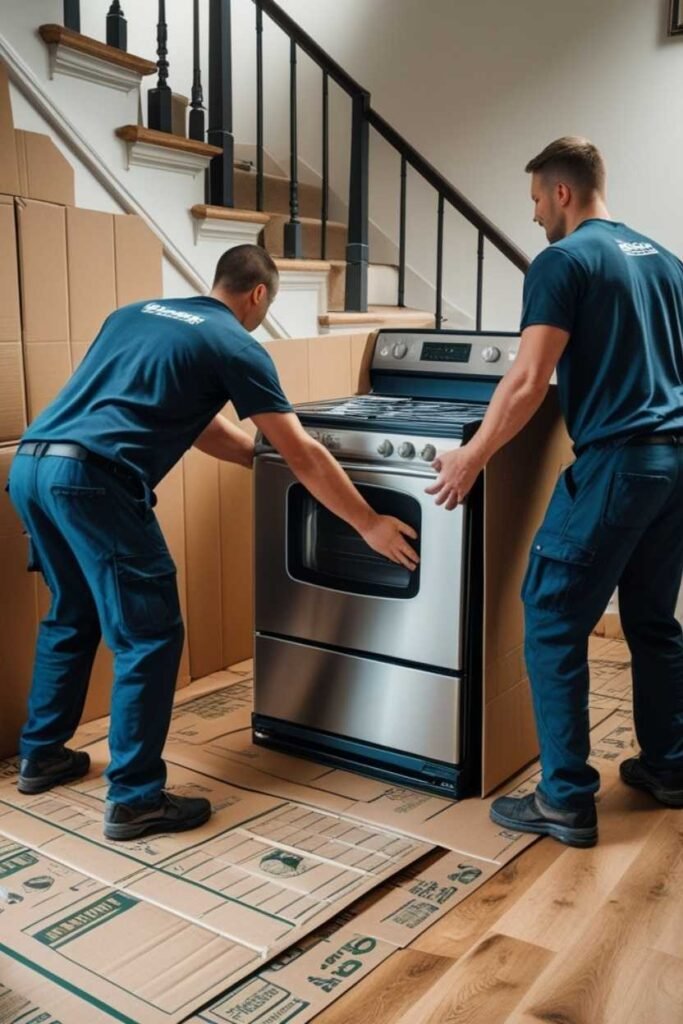
Protect the Appliances & Walls
Start by securing each appliance. Tape doors, shelves, and loose cables so nothing moves during transport. Shifting parts cause sudden imbalance.
At the same time, pad walls, corners, and door frames with blankets or cardboard. Tight UK layouts increase contact risk, so padding acts as a buffer against appliance moving, floor and wall damage.
Protect the Floors
Match floor protection to the surface. Use furniture sliders on laminate and hardwood to prevent scratches. Place thick mats on vinyl or tiled floors to spread weight.
For carpets and stairs, lay boards or plywood first. This creates a flat path and reduces tipping risk during appliance moves.
Use the Right Moving Techniques
Move appliances with control, not force. Keep them upright and move slowly at all times. Sudden pulls cause most appliance moving floor and wall damage.
Use a dolly for heavy items and keep one person guiding. On stairs, one person supports from below while another controls from above.
How to Protect Different UK Floor Types
Protecting laminate and hardwood floors
Laminate and hardwood mark easily during appliance moves. Place cardboard, blankets, or mats under the appliance before moving.
Furniture sliders help spread weight evenly and reduce drag marks.
Protecting vinyl and tiled floors
Vinyl dents under pressure, while tiles crack from impact. Use heavy-duty mats and move at a steady pace to avoid appliance moving floor and wall damage.
Lift slightly with a dolly instead of rolling directly.
Protecting carpets and stair runners
Carpets grip appliance feet and increase resistance. Lay plywood or boards to create a stable surface.
How to Protect Walls, Door Frames, and Skirting Boards
Padding corners and narrow hallways
Pad corners with folded blankets or foam. Even light contact can leave marks.
Padding adds breathing space during tight turns.
Protecting door frames and skirting boards
Wrap door frames and skirting boards with cardboard or towels. Secure padding gently with tape.
This step prevents chips and paint damage caused by the appliance’s movement.
Moving safely through tight spaces
Move slowly and pause before turns. Guide from both ends to keep balance and prevent the appliance from moving floor and wall damage.
Step-by-Step: How to Move Appliances Safely
Using sliders, dollies, and straps correctly
Place sliders under each foot. Tilt gently and slide into position.
Use a dolly for heavier appliances and secure the straps before moving.
Managing appliance weight and tipping risks
Keep appliances upright at all times. Tipping damages internal parts and nearby surfaces.
Lift with legs and keep backs straight. Stop if the balance feels off.
Moving appliances upstairs or downstairs
Use at least two people. One guides from below while another stabilises from above.
Never attempt stairs alone.
Loading appliances for transport
Load appliances against the van wall. Strap them tightly to prevent movement.
A moving professional once said, “Most appliance moving floor and wall damage happens during loading, not lifting.”
Appliance-Specific Moving Tips
Moving a fridge or freezer
Defrost at least 24 hours before moving. Keep upright throughout the move.
Wait several hours before plugging it back in.
Moving a washing machine or dryer
Drain hoses fully. Secure the drum if required.
Use a dolly and avoid sharp tilts.
Moving a cooker or oven
Disconnect safely. Wrap glass doors and protect knobs with padding.
Tools, Equipment, and Safety Checklist
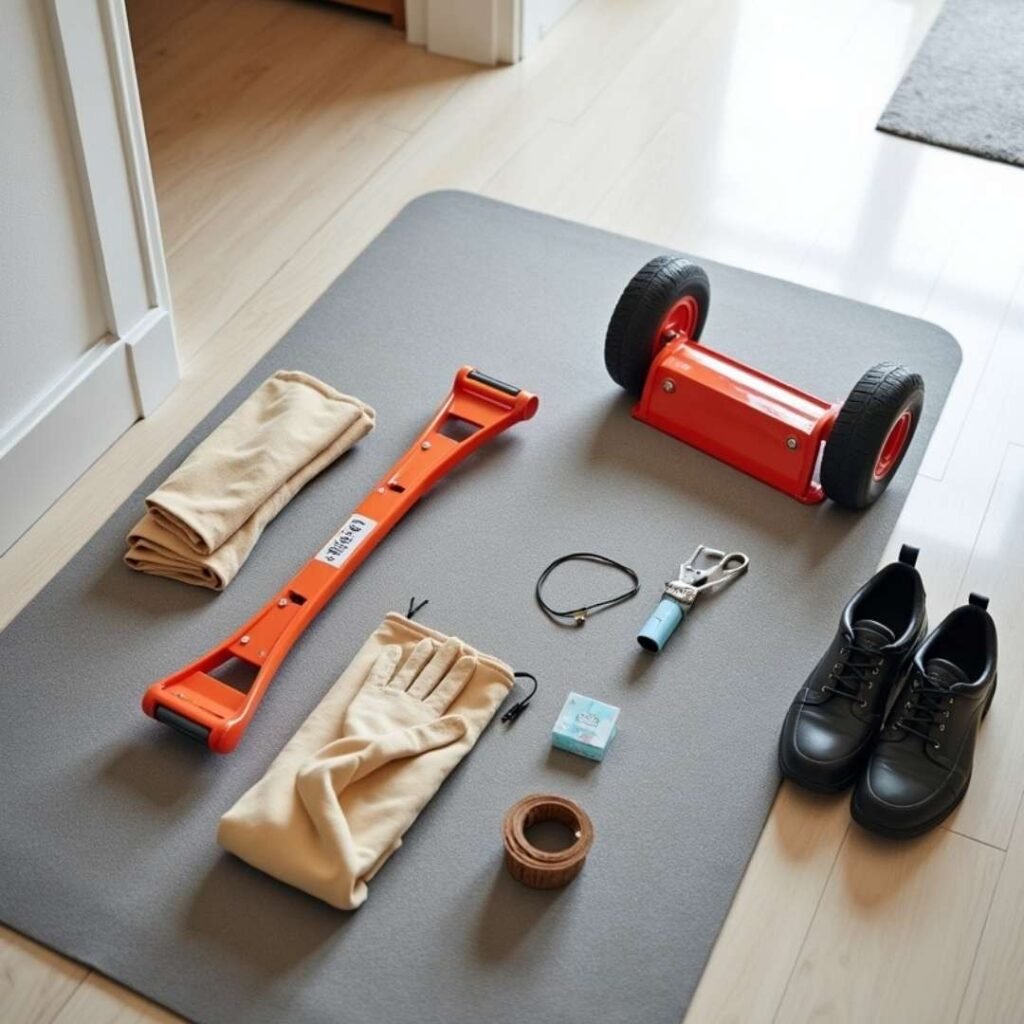
Essential tools
- Furniture sliders
- Appliance dolly
- Moving straps
- Floor protection mats
- Padding blankets
Safety checklist
- Clear pathways
- Wear gloves and sturdy shoes
- Use at least two people
- Move slowly and steadily
Quick Reference Table
| Appliance Type | Best Equipment | Key Protection |
|---|---|---|
| Fridge | Dolly + straps | Floor mats |
| Washing machine | Sliders | Door padding |
| Cooker | Blanket wrap | Corner guards |
DIY vs Professional Movers: What Works Best
Risks of moving appliances alone
DIY moves often lead to injuries or appliance moving floor and wall damage. Limited tools reduce control.
Benefits of man and van services in the UK
Man and van services bring proper equipment, trained handling, and insurance. They also understand tight UK layouts and how to prevent damage.
Safety Advice for People, Pets, and Property
Keep children and pets out of moving areas. Close doors or use safety gates.
Wear protective gloves and sturdy footwear. Personal safety comes first.
What to Do If Damage Happens
Stop moving right away if damage occurs. Prevent further contact with the surface.
In rented homes, take photos and inform the landlord quickly.
Insurance and Liability Explained
Many man and van services include basic insurance. Always check cover details before booking.
Insurance helps cover unexpected appliance, moving floor and wall damage.
Appliance Moving FAQs
Can one person move appliances safely?
No. Heavy appliances need at least two people and proper tools.
Which floors need the most protection?
Laminate, hardwood, and vinyl mark easily during appliance moves.
Should appliances always be drained before moving?
Yes. Draining prevents leaks and balance problems.
Is hiring a man and van cheaper in the UK?
It often costs less after repair and injury risks.
How do professionals avoid floor and wall damage?
They use protective materials, steady movement, and correct equipment.
Final Tips and When to Hire Professionals
Appliance moves need planning, patience, and control. Small mistakes can lead to repair costs and appliance moving, floor and wall damage.
When weight, space, or safety feels uncertain, professional help makes sense. Contact Sleek Assured Removals for safe appliance moving. We support careful appliance moves across the UK, protecting floors, walls, and appliances.