

Moving With Pets in London: Checklist and Tips
Moving with pets in London can feel stressful, even when the move looks simple. Noise, new people, and doors opening again and again can scare a dog or cat in seconds.
This matters because one small slip can lead to a pet escape, a scratch, or a long delay. London flats add shared hallways, lifts, tight stairs, and street parking limits, so the day can stretch and your pet feels the pressure.
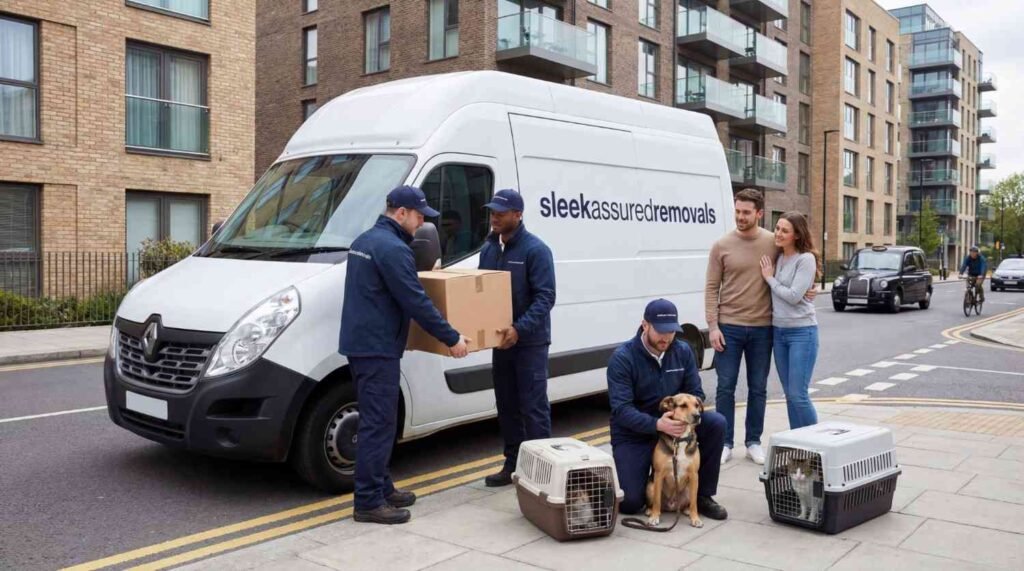
I’m the founder of sleekassuredremovals, and I’ve handled London moves where pets stay safe and calm. In this guide, you’ll get a clear plan, a simple checklist, and move-day steps that protect your pet from stress, from start to finish.
Key Takeaways
- Plan early: Book a vet check, transfer records, and update microchip details before moving week.
- Pack a pet go-bag: Food, water, bowls, treats, litter items, and a familiar blanket in one easy bag.
- Keep moving day safe: Use a quiet room, assign one “pet person,” and control doors to stop escapes.
- Travel smart in London: Follow TfL pet rules, use a lead or carrier, and avoid escalators unless you carry your pet.
- Help pets settle faster: Start with one room, pet-proof hazards, keep routines the same, then open up the home slowly.
How to Plan a Move With Pets in London
Moving with Pets in London works best with a clear plan. Book a vet check, update microchip details, and pack a pet moving checklist bag (food, water, treats, litter items, familiar blanket). Use pet travel crate tips so the carrier feels normal. On moving day, set up a quiet room and one pet handler, then travel by car or follow TfL rules. If time feels tight, pet relocation services in London or pet transport in London can help.
Facts and Original Research
Use this block to back up your Moving with pets in London advice with trusted UK sources. It helps readers trust the plan and gives other sites something worth citing.
Key data
| Fact | Trusted source | Why it matters |
| UK pets (2024): 10.6M dogs, 10.8M cats, 800k rabbits | PDSA PAW Report | Shows how common pet moves are. |
| England cat law: microchip by 20 weeks + keep details updated (from 10 June 2024) | GOV.UK | Helps you get a lost cat back faster. |
| TfL: pets must stay controlled (lead/carrier) and not on seats | TfL Conditions of Carriage | Helps you plan safe travel in London. |
| RSPCA 2024: 61,000 reports of animals suffering cruelty/neglect | RSPCA | Shows why stress and safety planning matter. |
What “Moving With Pets in London” Means
Moving with pets in London works best with a small plan. Keep food times and walks steady, pack a pet go-bag, and move your pet last so the home stays quieter.

Why London make pet moves harder
Flats bring shared halls, lifts, tight stairs, and busy streets. Doors open a lot during loading, so escape risk goes up fast. If you use TfL, keep pets under control on a lead or in a suitable carrier, and keep them off seats.
One example: a renter checked their cat’s microchip before move week. England’s cat microchipping rule started on 10 June 2024, and owners must keep details up to date.
Why Pets Stress During London Moves
Noise, people, and constant door-opening
London moves get loud fast. Boxes bang, strangers step in, and doors open many times. That noise can scare pets, so they bark, hide, or try to run.
Routine breaks (food, walks, litter)
Pets feel safe with the same rhythm each day. A move can shift meal times, walk times, and where the litter tray sits. Keep the routine as close as you can to reduce pet stress when moving.
Safety risks (escapes, overheating, injuries)
Safety issues hit during loading and travel. A pet can slip out a door, get hurt on stairs, or overheat in a car. Use a harness or carrier, keep water close, and control doors. That is how to move with pets safely.
Moving House With Pets London: Step-by-Step Plan
Vet + Microchip First
Book a vet check 2–3 weeks before the move. Collect records and refill meds with a small buffer. Then update the microchip address UK on a Defra-approved database as soon as your new address is confirmed. England’s cat microchipping rule started on 10 June 2024, so details must stay current.
Pet Go-Bag + Crate Tips
Make a pet moving checklist go-bag: food, water, bowls, treats, lead/harness, litter items, enzyme spray, wipes, and a familiar blanket. Do short carrier practice with treats, add a cloth with your scent, and label the crate with your number.

Moving day + London travel rules
Set one closed, quiet room and put a sign on the door. Choose one “pet person” to handle the carrier or harness. On TfL, keep pets under control and off seats; dogs on a lead, cats in a carrier. Skip escalators unless you carry your pet.
New home setup + paid help
Get the pet clause in writing and check windows, balcony gaps, and lift rules. Pet-proof cables, bins, and cleaning liquids, then start with one room for 24–48 hours. If timing feels tight, compare pet relocation services in London and pet transport in London by crate rules, insurance, and borough reviews.
Common Mistakes and Myths to Avoid
Mistakes that spike stress fast
Leaving pets loose during loading raises escape risk. Packing the lead, carrier, or litter tray too early can trigger panic. Skipping water or food “to avoid mess” can make stress worse. Carrying a cat without a carrier, or using only a collar near traffic, can lead to slips. Set up a quiet room, keep key items with you, and move pets last.
Myths that sound nice but backfire
“My pet won’t mind the noise” often fails. “Let them explore the whole home right away” can overwhelm them. “It’s a short move, so I don’t need a plan” can cause accidents. A small plan gives a calmer start.
Moving House With Pets: Real-Life Examples
An anxious dog in a busy London flat
Before: A small dog lived on a main road in Zone 2. On moving day, the hallway echoed, and the dog barked at every footstep. After: The owner used a quiet room with a door sign, then took a short walk before loading. One person held the lead at all times. The dog travelled last, then settled with a familiar blanket and water.
An indoor cat in a new-build apartment

Before: An indoor cat hid when boxes appeared and stopped using the tray. After: The owner kept the cat in one room, then moved the cat to a covered carrier. In the new flat, they set up one safe room first: litter, food, and bedding. The cat explored slowly over two days.
Tools and Checklist for Moving in London
Keep this part simple: give readers one download, one local list, and one move-day plan. That way, you cut last-minute stress, and you stay organised even if traffic delays the move.
One-page pet moving checklist
Offer a printable pet moving checklist with tick boxes for: vet notes, microchip update, go-bag items (food, water, bowls, treats, litter items, enzyme spray, familiar blanket), and a “quiet room” plan. Add a small local setup box for: nearest vet, emergency vet, groomer, dog walker, two parks, and one pet shop. Keep it as a single page so people actually use it.
Conclusion
Moving with pets in London goes more smoothly with a simple plan. Keep routines steady, pack a go-bag, and use a carrier or harness for safe travel. Set one quiet room during loading, control doors, and move your pet last. At the new home, start with one room, then open up the space slowly.
Want help with timing, loading, or safe transport? Get a quote from a pet-aware mover in London. Book a call to talk through your move day plan. Check availability early, especially for flats, lifts, and busy streets.
Frequently Asked Questions
Keep your pet’s routine steady for meals, walks, and quiet time. Set up one closed “pet room” during loading, then move your pet last. Use a carrier or harness every time you open the front door.
Use a lead for dogs and a secure carrier for cats and small pets. Keep your pet close, keep them off seats, and avoid escalators unless you carry them. Travel outside peak hours if you can.
Pack food, water, bowls, treats, poo bags, and a familiar blanket. Add litter supplies for cats and an enzyme cleaner for accidents. Keep this bag with you, not in the van.
Use help if you face tight timing, long travel, or a very nervous pet. Ask about travel crates, insurance, pickup windows, and how they handle delays. Check reviews from your borough or nearby postcodes.
Update it as soon as you confirm your new address, before moving week. Check that your phone number stays correct. This step matters even more for cats, since England requires cat microchipping and current contact details.