Heavy Furniture Transport London Safe Moving Guide
Heavy furniture transport in London can feel stressful on narrow streets and in flats with tight staircases. A simple, safety-first approach helps protect walls, floors, and door frames from scuffs and dents.
This guide from sleekassuredremovals explains how to measure access, protect your route, choose the right moving kit and van size, and plan parking and loading so your move stays smooth from door to van.
Key Takeaways
- Measure doors, stairs, landings, and lift space before moving heavy items
- Protect floors, corners, and door frames before the first lift
- Use straps, a dolly, and blankets to reduce strain and damage risk
- Plan narrow-street loading and stage items indoors to save time
- Choose the right van size so the load stays stable and secure
- Share photos and access details to get a clearer quote
- Confirm parking rules, permit needs, and responsibilities before booking
Quick answer: the safest way in London
Start by measuring access points such as doors, stairs, landings, and any lift space. Once the route is protected, use straps and a dolly for control, load with a spotter on the street, and secure items in the van to prevent movement.
“Plan the access and protect the route first—then the carry becomes the easy part.”
5-step quick plan
- Measure access: doors, stairs, turns, and lift space
- Clear the route and cover floors, corners, and door frames
- Use the right kit: straps, dolly, blankets, and sliders for smooth floors
- Load safely with a spotter and keep street time as short as possible
- Strap items inside the van, then unload with the same controlled steps
Heavy Furniture Transport in London: What’s Included
Heavy furniture transport in London means moving bulky items safely from your room to the van, then into your new place. You often deal with tight hallways, sharp turns, stairs, and limited space to load on the street, so you also need to plan for parking and loading rules.
Common items include sofas, wardrobes, beds, tables, bookcases, and appliances like washing machines. DIY can work for lighter items, but once stairs or narrow access come in, the job gets risky without the right protection and handling.
Why Moving Heavy Furniture in London Is Harder
London moves feel tough because space runs out fast—on the street and inside the building. Still, a simple plan can cut damage risk and save time.
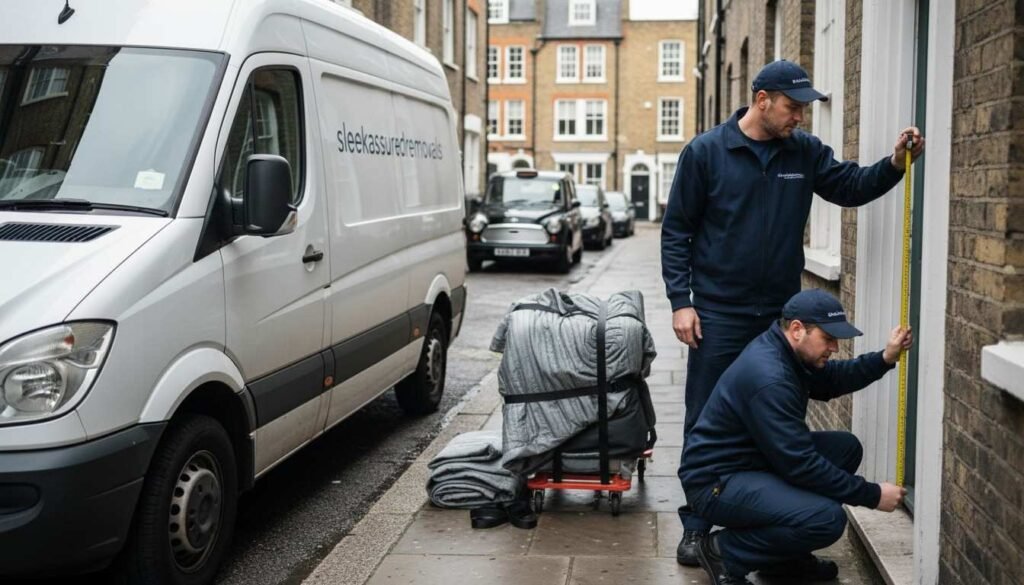
London Van and Stair Access Limits
Narrow roads, mews lanes, and tight staircases can slow a move. Measure doors, stairs, and turn points first, then plan the easiest route and stage the item near the exit.
How to Reduce Damage to Floors, Walls, and Corners
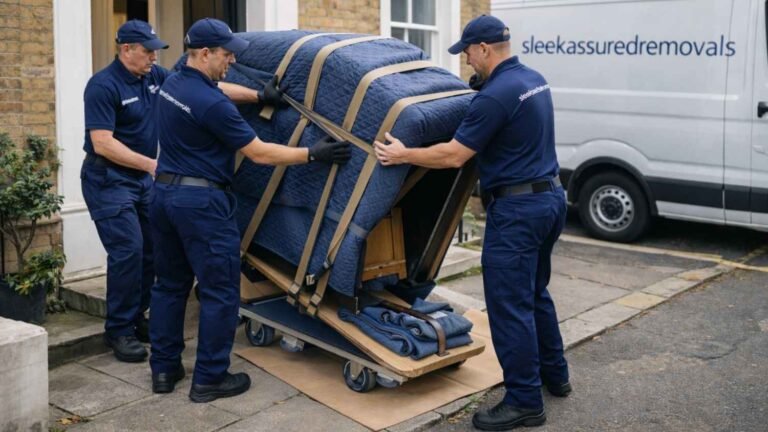
Heavy items can scrape floors and corners in seconds. Protect the route first with blankets and floor sheets, use a spotter at turns, and pause to reset the angle if it feels tight.
How to Move Heavy Furniture in London
A simple order keeps the move safe and smooth. Measure access first, protect the route next, then lift and load with control.
Measure Access and Plan the Route
Measure doors, stairs, and landing turn points before you lift. If your building has a lift, measure it and book a slot if needed. Clear the path and move fragile items out of the way.
Protect Floors, Walls, and Door Frames
Cover floors on the main route and wrap corners with blankets. Add corner guards on tight turns, since most scuffs happen there. Use sliders only on smooth floors, not on stairs.
Lift, Load, and Secure the Item
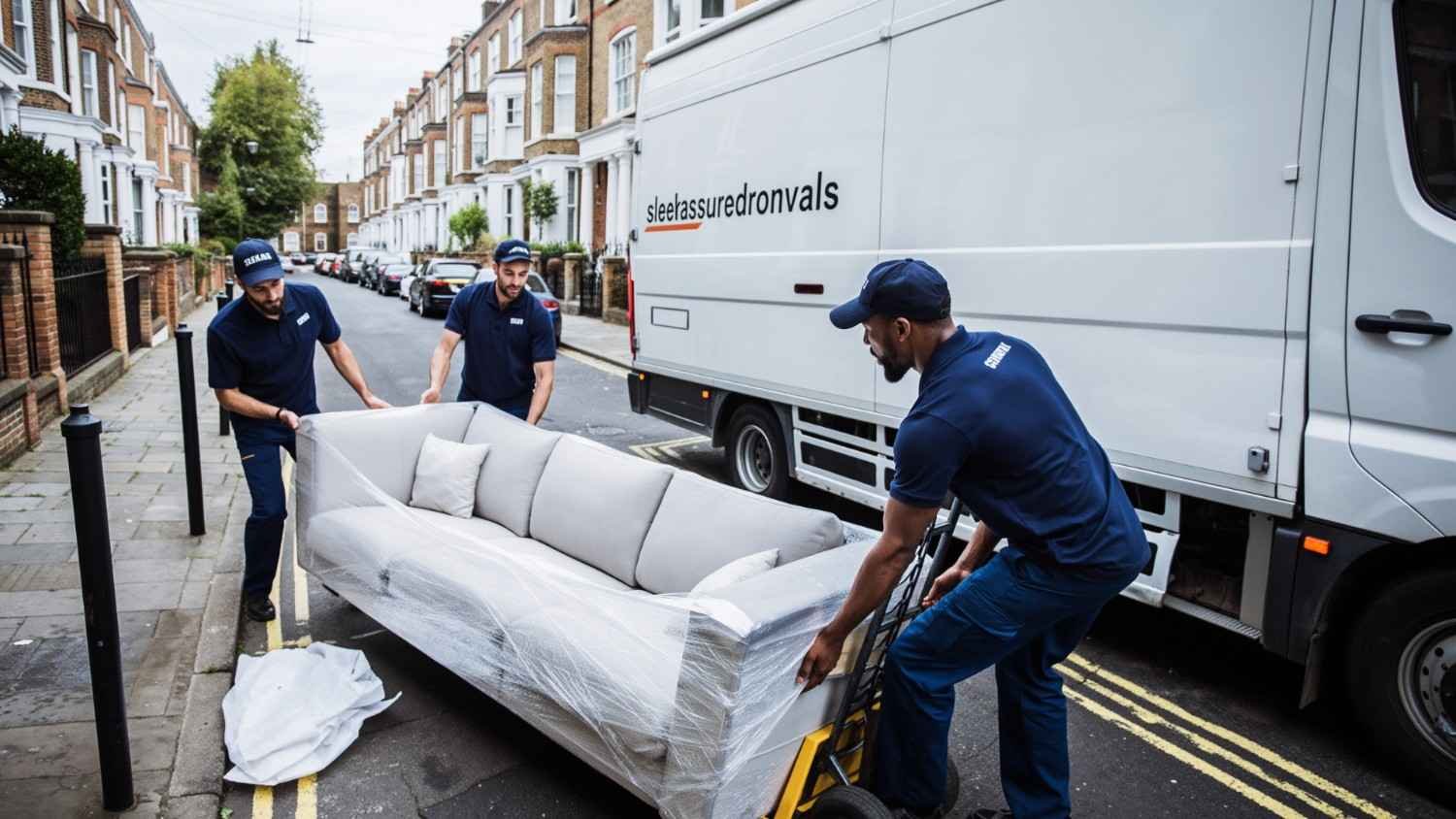
Use two people for heavy or awkward items, especially on stairs. Take short steps, pause before turns, and reset the angle when it feels tight. Then load heavy items low in the van and strap them in so they do not move.
Equipment & Van Sizes for Moving Furniture in London
Pros use the right kit and van size to keep heavy items safe, stable, and easier to handle on tight London routes.
Essential Moving Equipment for Safe Furniture Handling
A dolly helps on flat routes, straps improve grip, blankets prevent scuffs, and sliders work best on smooth floors (not stairs). Keep a screwdriver set and Allen keys to dismantle beds or wardrobes for easier carrying.
Best Van Sizes for Moving Furniture in London
Small vans suit narrow streets but have limited space. Medium vans fit most furniture jobs, while Luton vans work best for multiple bulky items (need better access). For stairs or heavy loads, use two movers, and consider a tail lift or dismantling to avoid stuck turns.
Parking and Loading for Moves in London
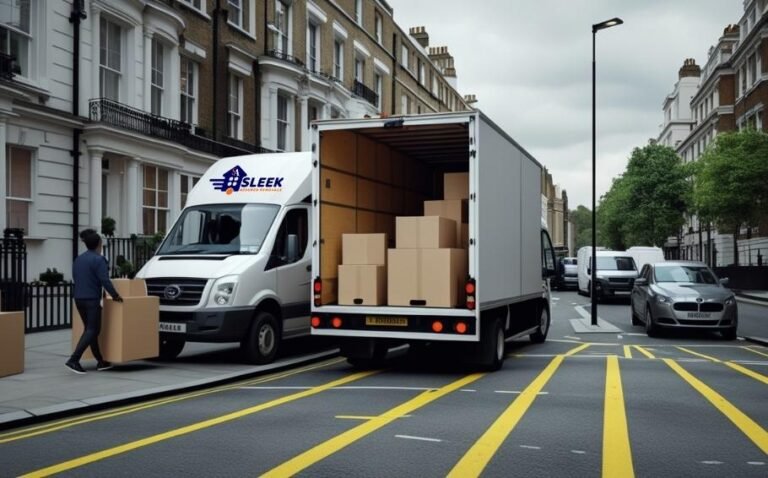
London’s tight roads and strict parking rules can make loading stressful, especially during peak hours. A simple plan for timing, permits, and building access helps you avoid delays and reduce fine risk.
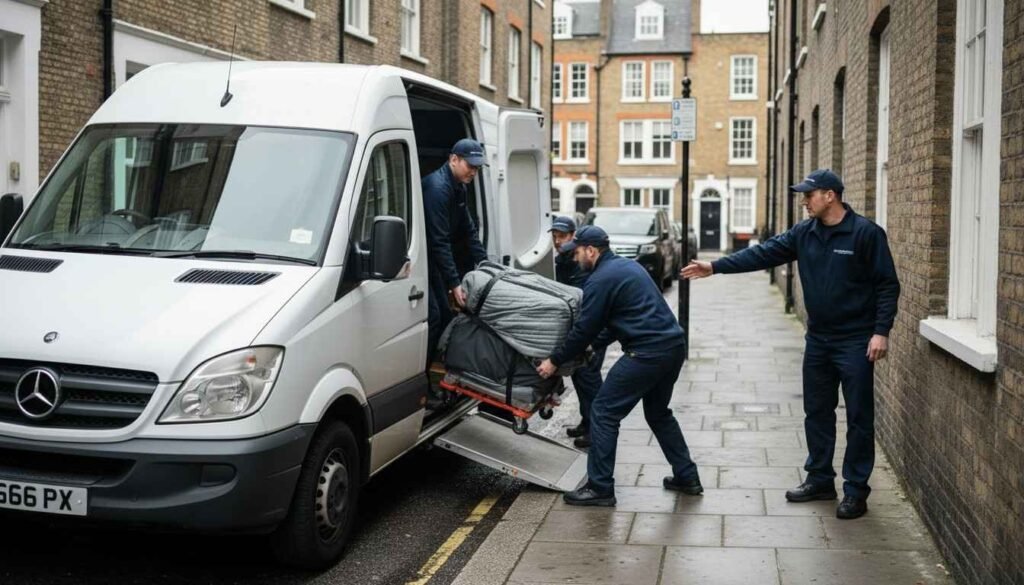
Smart Loading Timing and Quick Setup
Choose an off-peak time when possible, since traffic and school runs can slow everything down. Stage items indoors near the exit, then place blankets, straps, and tools by the door before the van arrives. Keep the loading window short and steady, and use a spotter to guide van positioning and keep the pavement clear.
Permits, Bay Suspensions, and PCN Risk Control
Some streets need permits or bay suspensions, and rules vary by borough. Check restrictions early and coordinate with building management for lift bookings, key access, and protection rules for shared areas. Before booking, confirm who handles permits and what happens if parking isn’t available on arrival—so responsibilities are clear on moving day.
How to Move Furniture in a London Flat Without a Lift
If your flat has no lift, the stairs and corners become the main risk points. A simple plan for staging, turning, and protection helps you move safely without damaging shared areas.
Stair Carry Strategy and Safety Controls
Plan the stair route before you lift and split the carry into short stages, using landings as reset points. Use straps for better control, keep the lead mover facing the direction of travel, and take breaks before fatigue sets in to avoid slips and bumps.
Tight Turns and Shared-Space Protection
Remove doors if you need extra clearance, and pivot slowly with a spotter guiding corners. If an item still won’t pass, dismantle wardrobes, bed frames, or modular sofas. Cover lobby floors and stair rails, keep corridors clear, and give neighbours a quick heads-up.
What Affects Moving Quotes in London
Furniture moving prices vary based on time, access, and how complex the lift and carry route is. If you share clear details early, you’ll get a faster quote with fewer surprises.
Hourly vs Fixed Pricing and What’s Usually Included

Many London moves use hourly rates, while fixed quotes are more common when the route and item list are simple. Hourly pricing often includes the van, driver, and basic handling, but stairs, long carries, or dismantling can increase the time, so confirm minimum booking time and mover count before comparing quotes.
Key Cost Drivers and How to Get a Clear Quote Fast
Quotes rise when access is difficult, or delays are likely—think stairs/no lift, long distance to the van, waiting time, tight turns, larger van types, and dismantling or reassembly. To get an accurate price quickly, send photos of the items, stairs/landings, and the street, plus pickup and drop-off floors, lift availability, postcodes, and your preferred date/time.
What’s Included with Furniture Delivery in London
A good service includes safe handling, protection, loading, and secure transport—not just moving the item. Check inclusions early so you can compare quotes properly.
Core Service Inclusions for a Safe Move
A proper team should lift and load safely, then strap items so they don’t shift in the van. Basic protection like blankets and straps should be included, especially on tight London routes. Clear communication before arrival also helps avoid surprises.
Delivery, Assembly, and London Coverage
Delivery with assembly is useful for flat-pack items or furniture that needs rebuilding after dismantling. Confirm if they assemble beds and wardrobes, bring tools, and charge extra for complex jobs. Share your borough and access details, plus photos or a short stair video, so they can plan the right van and mover count.
London Furniture Moves: Booking, Insurance & Trust
Clear details and clear terms make booking smoother, especially for same-day jobs. Trust comes from real reviews, transparent pricing, and simple insurance clarity.
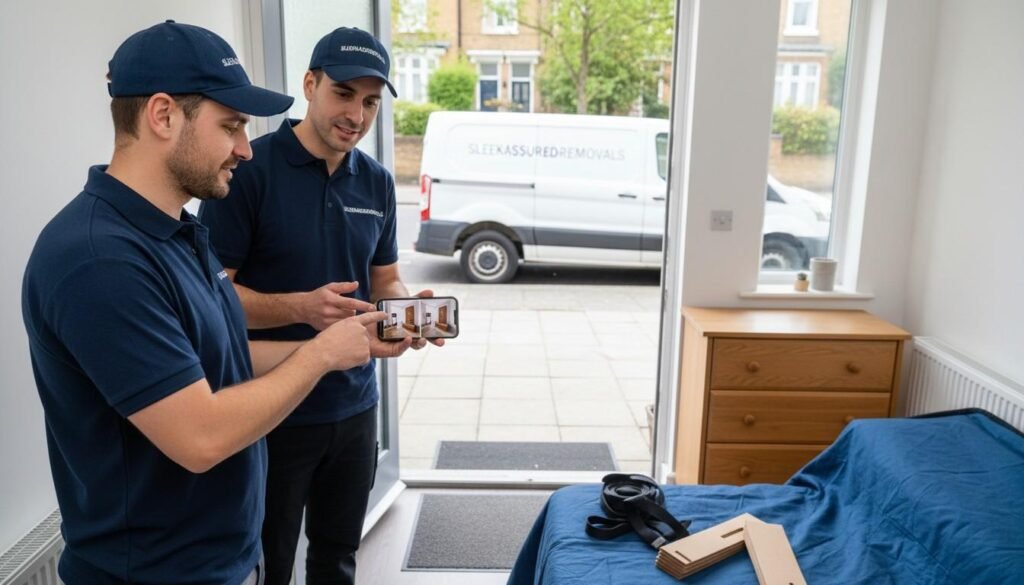
Same-Day Booking Steps
Send item and access photos, pickup and drop-off floors, and your preferred time window. Then confirm van size, mover count, and arrival time in writing. Staging items and protecting the route early also speeds up loading.
Trust Signals and Insurance Checks
Look for recent reviews, clear terms, and upfront pricing rules. Before arrival, confirm what insurance covers, what protection kit they bring, and how they’ll handle stairs or tight turns. Accurate access details reduce last-minute issues.
Conclusion
Heavy furniture transport in London can feel stressful, yet a clear plan makes it safer and faster. Measure access, protect surfaces, use the right kit, and plan your narrow-street loading before the van arrives. Then you can cut damage risk, reduce delays, and keep the day calm.
If you want help with heavy furniture transport in London, sleekassuredremovals can support your move. Share your item list, photos, and access details, and we will send a clear quote and a simple booking plan.
Frequently Asked Questions
Price changes with stairs, distance to the van, travel time, van size, and mover count. Share photos and access details, and you will get a clearer quote with fewer surprises.
Some streets and bays need permits or suspensions, mainly near restrictions and timed bays. Check your street rules early, then confirm the best loading plan before moving day.
Yes. A stair plan, two-person handling, and surface protection keep the move safe. Stage items first, keep landings clear, and use straps for control at turns.
Dismantling can help wardrobes and bed frames a lot, since it reduces the size and sharp edges. If a tight turn looks risky, dismantle early and carry smaller parts.
Ask for goods-in-transit cover for items inside the van and public liability cover for accidental property damage. Then confirm what the policy covers and what details the mover needs from you.