
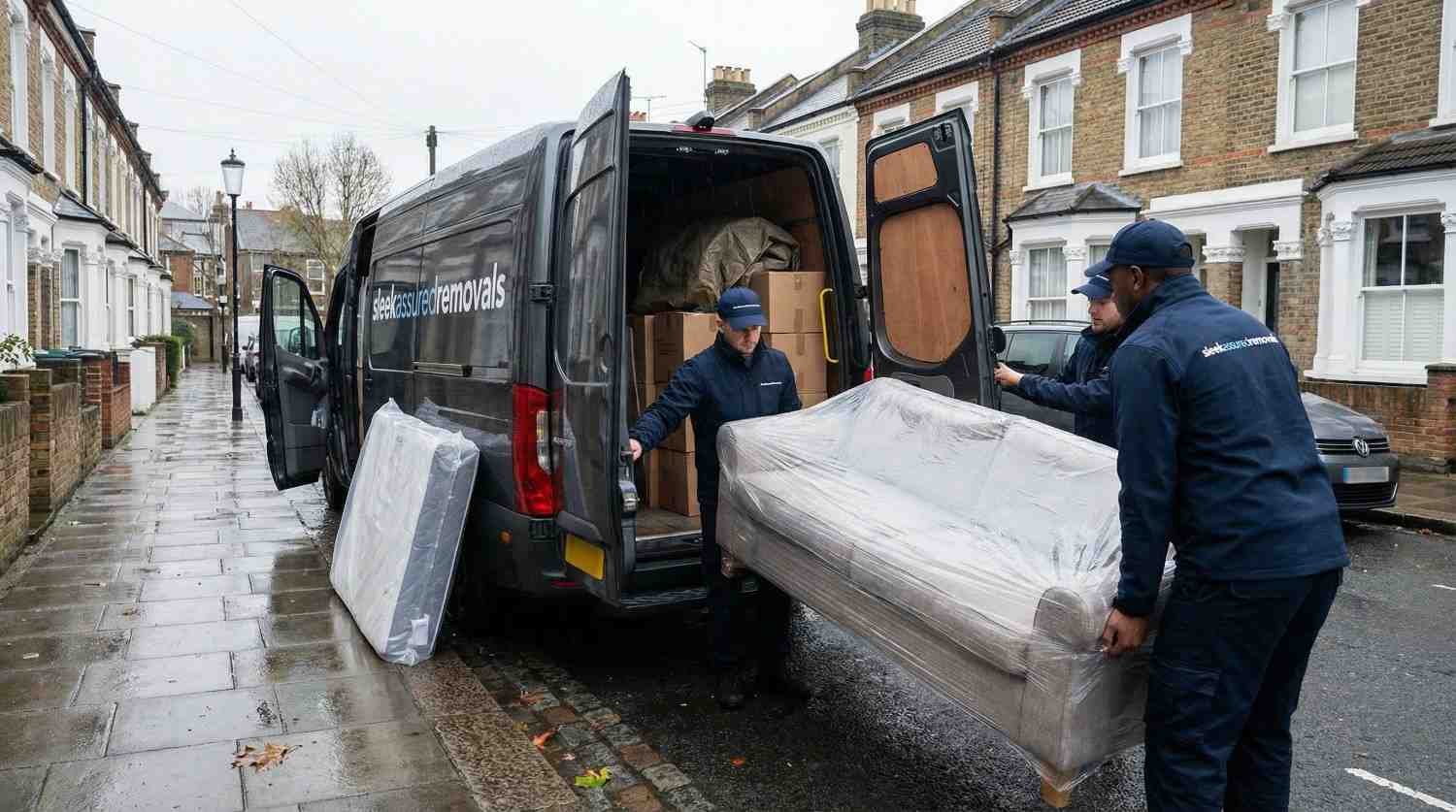
London Moving Day Weather: How to Prepare and Stay Safe
London moving day weather can change fast, so rain, wind, cold, heat, or ice can affect safety, timing, and item protection. This guide from sleekassuredremovals shows when to check an hourly forecast, how to pack for rain, how to protect a mattress and sofa, and how to load a van safely. It also covers London essentials like parking, lift booking, and time buffers, plus clear signs for when you should pause or reschedule.
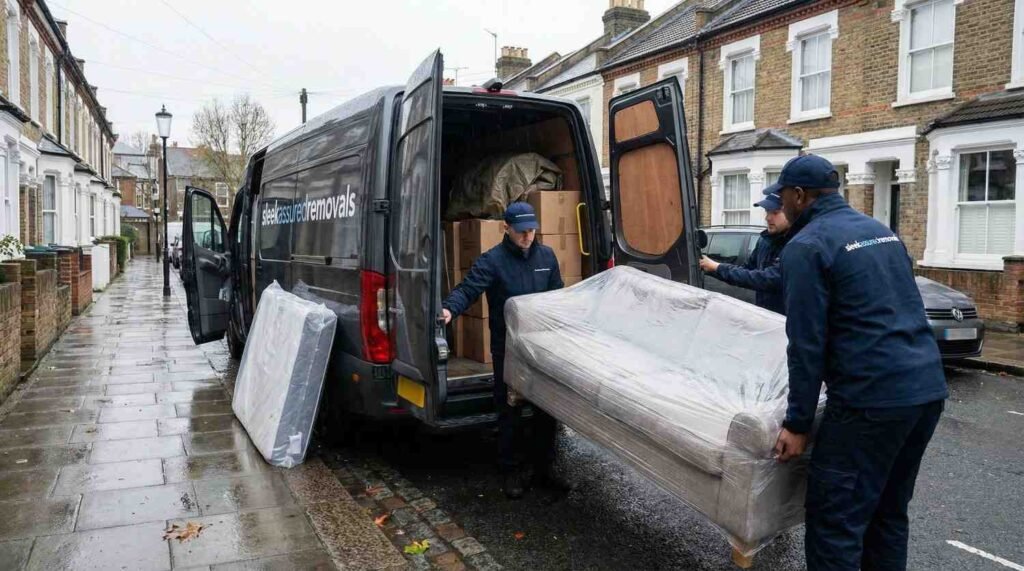
Quick Plan: London Weather Tips for Moving Day
London moving day weather can change fast, so check an hourly forecast 48 hours before, the night before, and again on moving morning. Then set one clear trigger, like heavy rain during loading or strong gusts during lifting.
Next, keep boxes indoors until the van is ready, use heavy-duty plastic covers, and protect your mattress and sofa first. Finally, strap items in the van, create a dry path inside the building, park as close as you can, and add extra time for London parking and lift access.
Why London Weather Can Disrupt Your Moving Day
London weather can change quickly, and moving day puts you outside for loading and unloading. So even a short shower can soak boxes and weaken cardboard. At the same time, wind can slam doors and throw off your grip, which raises the risk of slips and bumps.
On top of that, London moves often involve tight streets, limited parking, lift booking rules, and short loading windows. Because of this, bad weather can slow everything down unless you plan ahead.
When to Check the Forecast Before Moving in London
Check the forecast like a mover, not just once and done. First, look 48 hours before, then check again the night before, and finally check the hourly view on moving morning. Because London weather shifts fast, the hourly forecast usually matches your loading window better.

Next, watch three things: rain intensity, wind gusts, and the “feels like” temperature. Also, check travel conditions if you cross busy routes. If rain lands during loading, add more covers and speed up the handover. If gusts rise, slow down and carry smaller loads.
“Weather does not ruin a move; rushing in bad weather does.”
London Moving Day Weather Tips for Every Season
Rain plan: keep items dry and boxes strong
Rain causes the most moving day problems in London, so you need waterproof layers and a smooth flow from door to van. First, keep boxes indoors until the van is ready. Then, move in small batches, because cardboard weakens fast once it gets wet.
Impact
- Boxes can soften, bend, and split
- Slips can happen on wet steps and pavements
- Fabric furniture can soak and take longer to dry
How to prepare
- Use heavy-duty plastic: wrap box stacks with stretch wrap, or cover them with a tarpaulin
- Protect furniture: use furniture blankets first, and then add waterproof covers for sofas and a mattress bag for beds
- Create a dry path: place towels or mats at entrances and stair landings, and wipe handles and rails as you go
- Get closer: park as close as legal and safe, so items spend less time outside
Wind plan: slow down and control doors
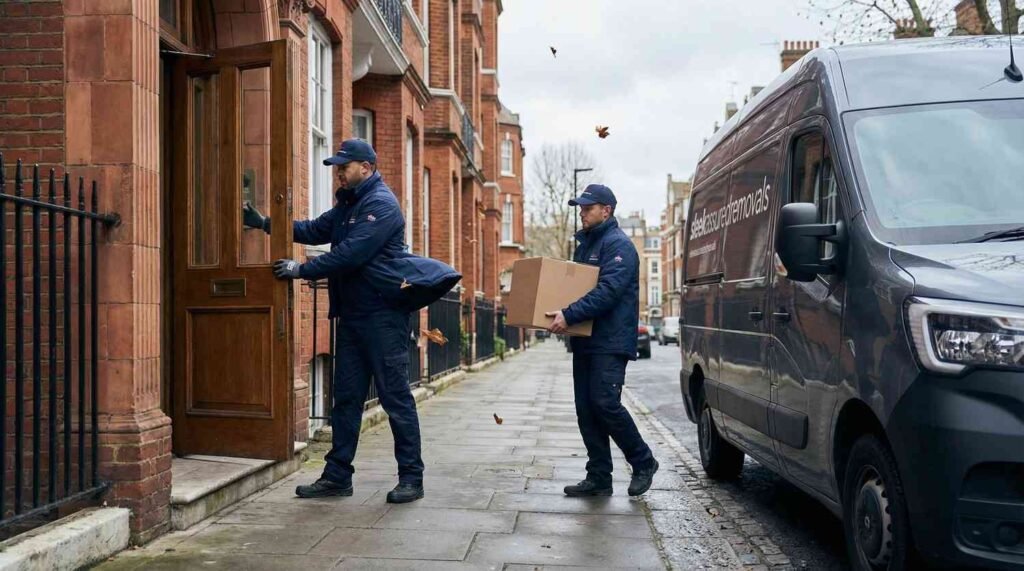
Wind can slam doors and knock bulky items off balance, so slow the pace and assign roles. Next, keep one person on door control during gusts. That way, you reduce bumps, crushed fingers, and sudden slips near entrances.
Do this
- Carry tall items low and close to your body
- Strap tall stacks inside the van, so loads do not shift
- Reduce load size when the wind rises
Winter plan: cold, frost, sleet, snow, and ice
Cold weather reduces grip, and ice raises slip risk, so route safety comes first. Before you lift anything, clear the path from your door to the van. Then, add salt or grit where people step and turn.
Impact
- Icy steps raise slip and fall risk
- Cold hands reduce grip and control
- Damp cold can affect electronics and soft items
How to prepare
- Clear and treat paths: remove ice and add salt or grit on steps and turning points
- Warm up smartly: keep a warm room for short breaks, and keep a small heater ready if the new home feels cold
- Protect fragile items: seal electronics in bags, use grip gloves, and keep blankets ready
- Allow extra time: winter moves often run slower, so add a time buffer
Also, carry smaller loads on stairs, because that one change can prevent most slips. If you cannot create a safe walking route, reschedule.

Summer plan: hot weather
London heat can still slow you down, so plan water, breaks, and care for sensitive items. For example, sweaty hands can reduce grip on stairs, and fatigue can lead to mistakes.
How to prepare
- Drink water often and take short breaks
- Carry medicine, cosmetics, and laptops in a cool bag or your car
- Wear breathable layers and non-slip shoes
Top 5 Items to Protect on a Rainy Moving Day
Rain can ruin a move fast, so it helps to protect the most sensitive items first. If you focus on these five, you can prevent most water damage and keep your London moving day on track.
- First, Mattress: Use a mattress bag, tape it closed, and keep it off wet ground.
- Next, Sofa and fabric chairs: Wrap cushions in plastic, then cover the full item with a waterproof layer.
- Then, Cardboard boxes: Double-tape the bottoms and keep boxes off wet pavements; use a tarp if you need to pause.
- After that, Electronics: Seal in bags, pack in a padded box, and carry in your car when possible.
- Finally, Paperwork and essentials: Keep in a waterproof folder with you, not in the van.
Parking and Lift Tips for London Moving Day Weather
London moving day weather can slow everything down, and access issues can make it worse. So plan parking early—aim for the closest legal spot and keep a backup option ready. Next, confirm lift booking and any concierge rules, because wet weather often means you also need mats or corridor protection.
Finally, add a time buffer for London traffic as well as weather, because delays can stack fast on busy routes.
How to Load a Van Safely in Rain and Wind
Safe loading keeps your move stable, especially in rain and wind. First, place heavy items low and forward in the van, then strap tall items and box stacks so they do not shift.
Next, keep a towel by the van door to wipe hands and handles, and use grip mats if the floor feels slick. Finally, assign one person to control the van door during gusts, so it does not swing into people or items.
48-Hour Moving Plan for London Weather Changes
London moving day weather can switch quickly, so a simple timeline helps you stay in control. Follow these steps 48 hours before, the night before, and on moving morning to cut delays and keep items dry.
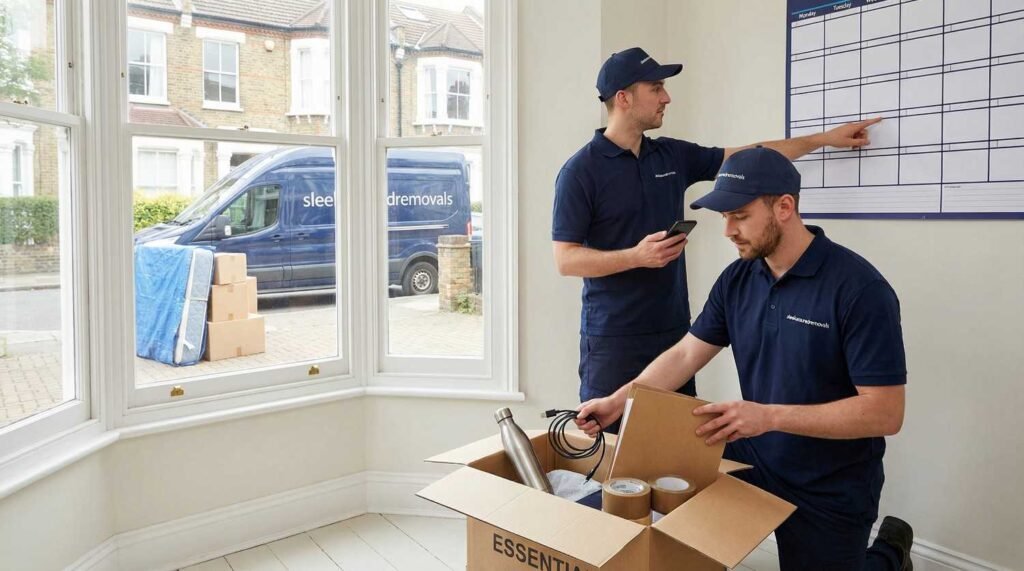
48 hours before
- First, check the hourly forecast and pick your loading window
- Next, grab key supplies: strong tape, plastic wrap, a tarpaulin, and a mattress bag
- Then, confirm parking, lift booking, and building rules
Night before
- After that, seal box seams and write labels on tape so they stay readable
- Also, pack an essentials box with chargers, documents, water, snacks, and medicine
- Finally, lay mats or towels near exits to create a dry path
Morning of
- Now, recheck the hourly forecast and confirm your weather trigger
- Then, keep boxes inside until the van is ready and load heavy items first
- Last, unload soft items early and ventilate to reduce damp and mould risk
Moving Day Mistakes That Cause Damage and Delays
Small mistakes can turn London moving day weather into bigger delays and avoidable damage. These quick myths show what to stop doing and what to do instead for a safer, faster move.
Mistake 1 — Cheap tape and bin bags won’t keep boxes dry
Cheap tape can peel off when it gets wet, and thin bags can tear. So use strong tape on seams and add waterproof covers for box stacks.
Mistake 2 — Stairs and doors get dangerous in bad weather
Most slips happen at entrances and on stairs. That’s why non-slip shoes and door control matter more than people think.
Mistake 3 — Rain damage is preventable with a plan
Damage often happens when water sits on items or when cardboard softens. Instead, use covers, move in smaller batches, and unload soft items first so you can dry them quickly.
Moving Day Checklist for London Weather
Use this quick table to plan your London move around the weather. First, follow the timing steps, then tick off the action list on moving morning.
London Moving Day Checklist: What to Do and When
| Time | What to do | Supplies |
| 48 hours before | Check the hourly trend and set a weather trigger | Phone, notes |
| 48 hours before | Confirm parking and lift access | Building contact |
| Night before | Seal seams, label on tape, pack essentials | Tape, marker, waterproof folder |
| Night before | Set mats/towels to create a dry path | Towels, mats |
| Morning of | Final hourly check and load order | Phone, checklist |
| Loading | Keep boxes inside until the van is ready, strap tall items | Covers, straps |
| Arrival | Dry wet areas and unpack soft items early | Towels |
Quick Moving Day Checklist (Action Steps)
- First, check the hourly forecast on the moving morning
- Next, protect the mattress, sofa, electronics, and paperwork
- Then, tape seams and keep boxes off wet ground
- Also, create a dry path with mats and towels
- Finally, pause or reschedule if the route feels unsafe
Key Takeaways
- First, check an hourly forecast and set one clear trigger for rain, gusts, or ice.
- Next, use heavy-duty plastic covers and strong tape to protect boxes.
- Then, protect soft items first: your mattress, sofa, clothes, paperwork, and electronics.
- Also, create a dry path with mats and towels at exits and stair landings.
- After that, get the van close when possible and add a time buffer for London access.
- Meanwhile, strap tall items and keep heavy items low in the van for better stability.
- Finally, reschedule if you cannot make a safe walking route.
Next Steps for a Safer London Moving Day
London moving day weather can change fast, yet a simple plan helps you stay in control. First, check the hourly forecast, then protect your high-risk items, plan access and parking, and load the van safely. As a result, you can cut delays and avoid common damage.
If you want an affordable Man and Van move in London with weather-aware planning, contact sleekassuredremovals. We can help you pick a safer time window and keep your belongings protected from start to finish.
Frequently Asked Questions
Keep boxes indoors until the van is ready, then move in small batches. Use waterproof covers and protect your mattress and sofa first. Finally, unload soft items early so you can dry them fast.
Wind is too strong when gusts pull doors from your hand or tip bulky items off balance. So slow down, carry smaller loads, and keep someone on door control. If stairs or the route feel unsafe, pause.
Use a waterproof mattress bag, tape it closed, and keep it off wet ground. Then wrap sofa cushions in plastic and cover the sofa with a waterproof layer. Finally, load these soft items when the rain eases, not at the start.
Reschedule if you cannot make a safe route, like ice on steps, flooding near the loading area, or gusts that make lifting unstable. If anything feels unsafe, pause early and reset the plan.
Many teams use hourly forecasts, covers, and straps, and they plan for London parking and lift access. At sleekassuredremovals, we use a clear routine to keep moves safer in changing weather.




One Comment